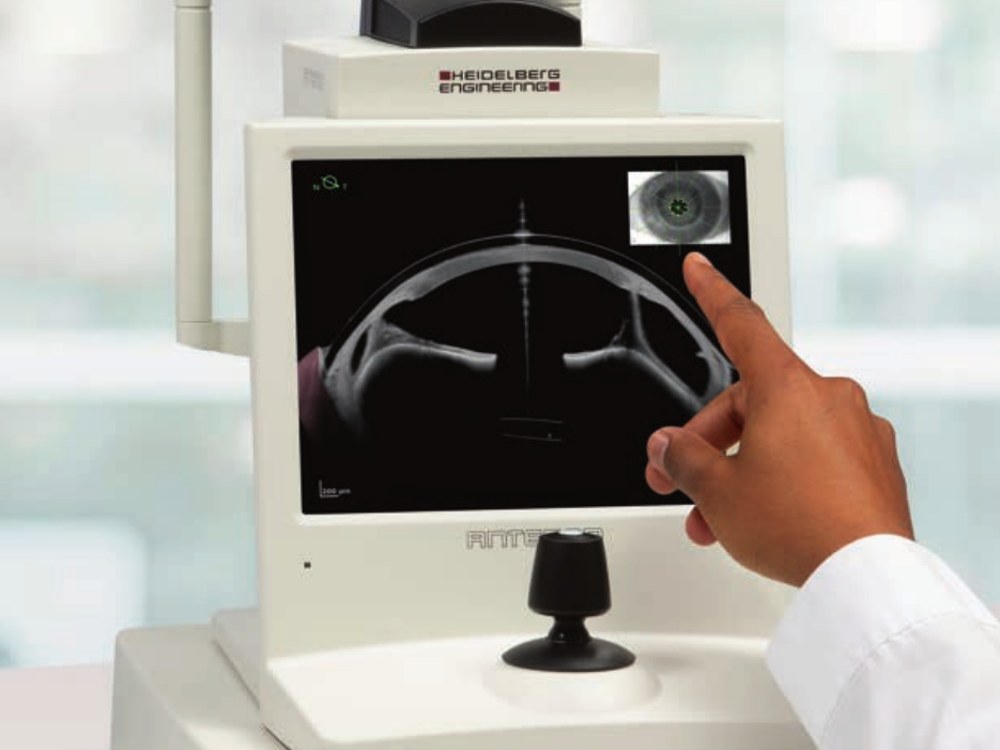
Life After LASIK: Recovery and Results
What everyday life is really like after LASIK — the recovery timeline, what’s normal, and how lasting the results are.
Life After LASIK: Recovery and Results Read More »

What everyday life is really like after LASIK — the recovery timeline, what’s normal, and how lasting the results are.
Life After LASIK: Recovery and Results Read More »

Short-sightedness is rising in children. Why it matters beyond glasses — and the evidence-based ways to slow its progression.
Myopia Control in Children: Slowing Short-Sightedness Read More »
Amblyopia (“lazy eye”) develops in childhood and is most treatable when caught early. How it happens and why timing is everything.
Lazy Eye (Amblyopia): Why Early Treatment Wins Read More »
The ocular surface keeps your eye smooth, clear and comfortable. When it’s disturbed — by dry eye, lid disease or more — vision and comfort suffer.
Ocular Surface Disease: Beyond Dry Eye Read More »
Tired, dry, achy eyes after screens? Digital eye strain is common and preventable. Simple habits that protect comfort and focus.
Screen Time and Digital Eye Strain: Prevention Read More »
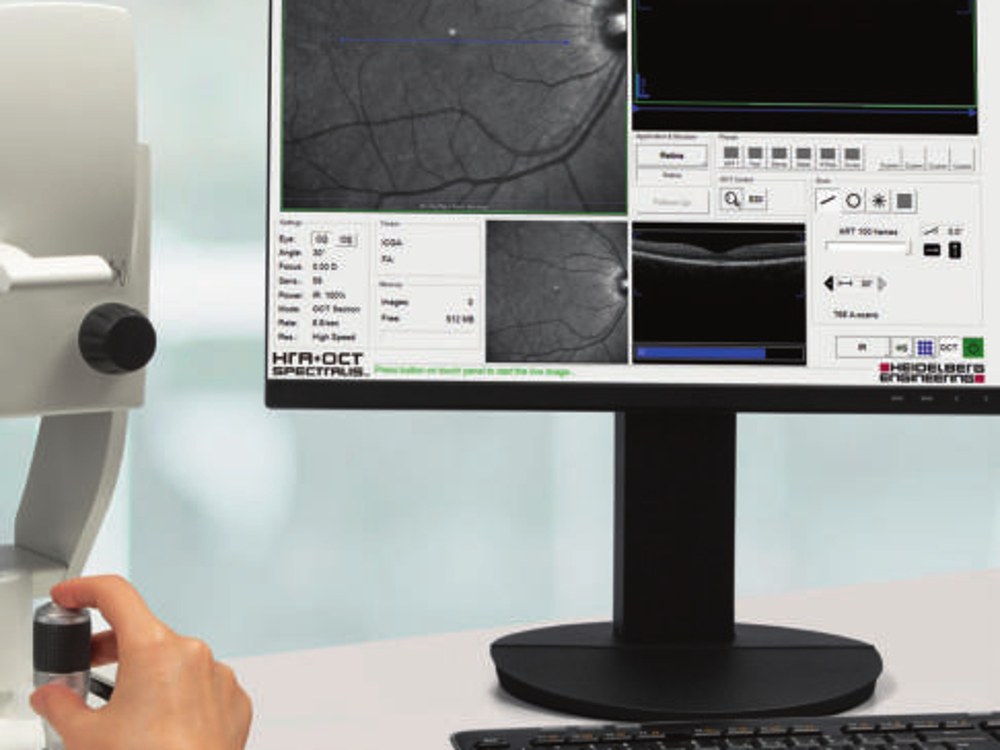
AMD affects central vision in later life. The difference between dry and wet AMD, the warning signs, and why early detection matters.
Age-Related Macular Degeneration (AMD): What to Know Read More »
Retinal detachment is a sight-threatening emergency with classic warning signs. Recognise them — flashes, floaters and a shadow — and act fast.
Retinal Detachment: Warning Signs Not to Miss Read More »
Diabetic retinopathy progresses through stages — often silently. Understanding them shows why regular screening protects sight.
Diabetic Eye Disease: The Stages Explained Read More »

Itchy, red, watery eyes? How to tell allergy from eye flu, why children’s VKC needs specialist care, the eye-rubbing–keratoconus link, and safe treatment.
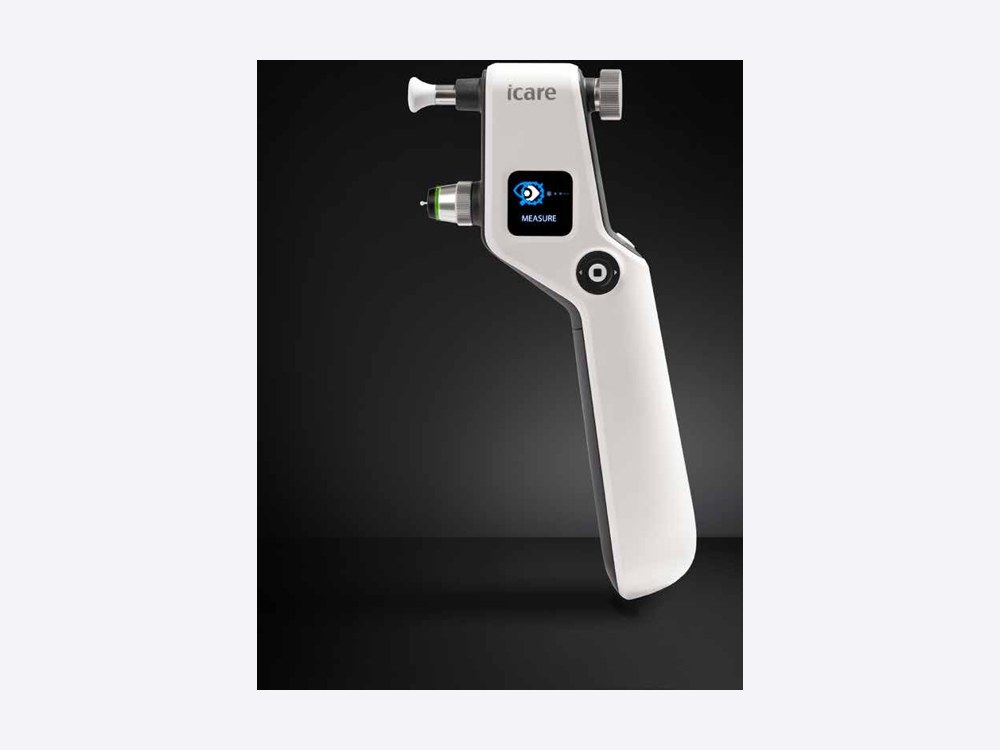
Eye pressure is central to glaucoma. What a “normal” reading means, why it varies, and why pressure alone doesn’t tell the whole story.
Eye Pressure (IOP): What’s Normal and Why It Matters Read More »