- +91 9274867875
- balajihorizoneyehospital@gmail.com
- Science City
- Naranpura

The ocular surface is the delicate, continuous layer of tissue — the tear film, cornea, conjunctiva and eyelid margins — that keeps the front of the eye smooth, clear and protected. Ocular surface disease (OSD) is an umbrella term for conditions that disturb this system. Because the surface is where light first enters the eye, even subtle problems can blur vision and cause persistent discomfort.
A healthy ocular surface is essential not only for comfort but for clear vision and for the success of eye surgery — including cataract and refractive procedures. A poorly prepared surface can compromise measurements before surgery and slow recovery afterwards, which is why surface health is assessed and optimised as part of good surgical planning.
Assessment combines a detailed history with a slit-lamp examination of the tear film, cornea, conjunctiva and eyelid margins. Tests may include tear-film evaluation, staining of the surface to reveal areas of damage, and assessment of the meibomian glands. The goal is to identify the specific cause rather than simply labelling everything as “dry eye”, because targeted treatment works far better.
Care is staged and individualised. It often combines:
Most ocular surface disease is long-term and managed rather than instantly cured — the aim is steady relief, protection of vision and a clear plan you can follow.
Dry eye is the most common form, but ocular surface disease is broader and includes eyelid, conjunctival and corneal surface problems. Identifying the exact type guides the right treatment.
Many cases are controlled rather than cured. With the right combination of treatments, most people get lasting relief and protect their vision.
The tear film is the eye’s first focusing surface. When it is unstable, vision fluctuates — often clearing briefly when you blink.
This information is for general awareness and does not replace consultation with an eye specialist. Ocular surface disease should be assessed and managed individually.
Related: Dry Eye Clinic, Cornea Services, Comprehensive Eye Check-up.
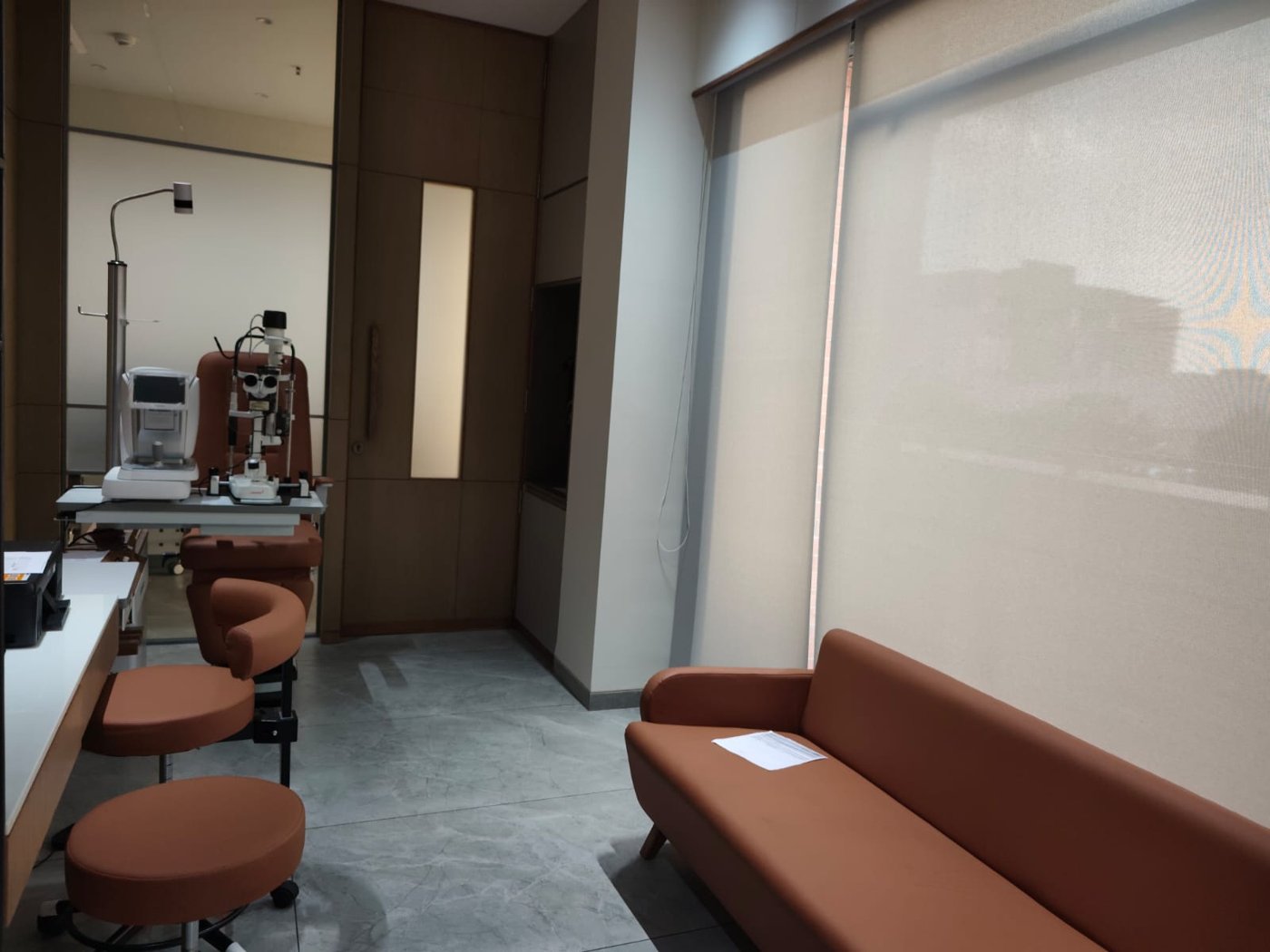
The cost of Ocular Surface Disease depends on your eyes, the technology and any lens or implant chosen, and your individual clinical needs. We give you a clear, written estimate after your examination — with no obligation — and explain exactly what is included.
Request a cost estimate on WhatsApp Call +91 92748 67875
We don't list fixed prices because the right treatment — and therefore the cost — varies from patient to patient.
Fellowship-trained cornea, refractive & cataract surgeon.
First in Gujarat with ANTERION & SPECTRALIS (GMPE).
Evidence-based, individualised advice — no overtreatment.
Convenient care at Science City & Naranpura, Ahmedabad.
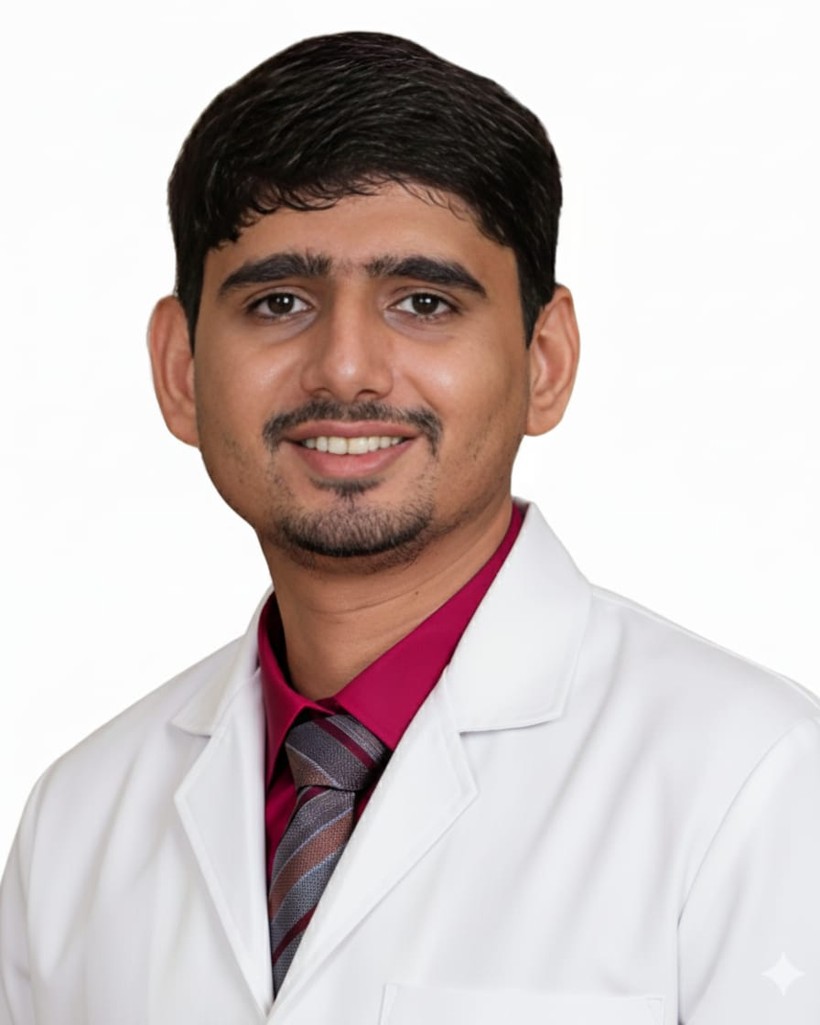
MBBS, MS (Ophthalmology), FCRS — Cornea, Refractive & Ocular Surface Surgeon
Founder & Director of Balaji Horizon Eye Hospital and Consultant Cornea & Refractive Surgeon at C.H. Nagri Eye Hospital, Ahmedabad. Dr. Patel focuses on accurate diagnosis, vision preservation and individualised, ethical care.
View full profile →Same specialist care at both our Ahmedabad branches.