
Phacoemulsification: modern cataract surgery
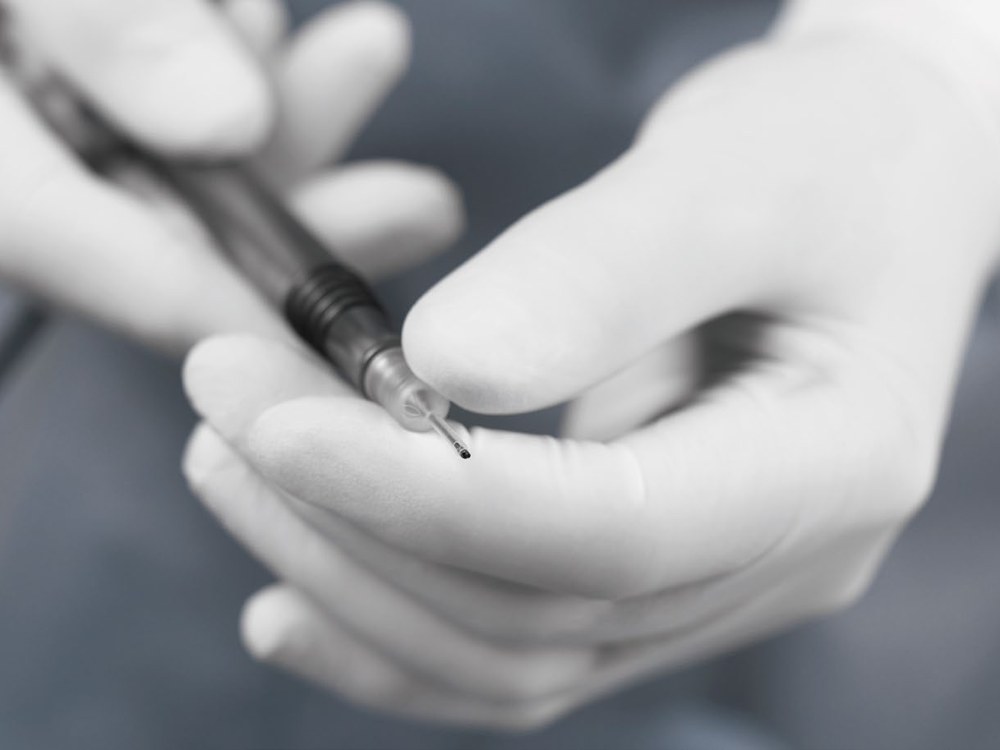
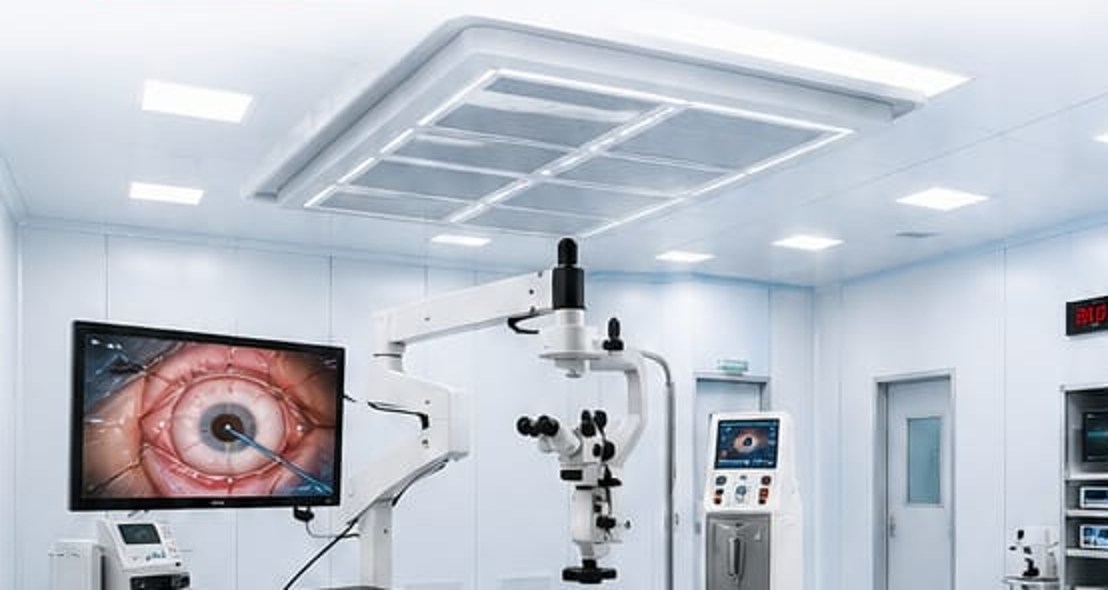
Phacoemulsification (often called “phaco”) is the current standard technique for cataract surgery. The cloudy natural lens is gently broken up using ultrasound energy and removed through a very small opening, and a clear artificial lens (intraocular lens, or IOL) is placed in its position. Because the incision is tiny, most patients need no stitches and recover quickly.
Who needs it
Phacoemulsification is appropriate when a cataract has progressed enough to affect daily activities such as reading, driving or recognising faces. The decision is individual — we recommend surgery when the benefit to your vision and quality of life clearly outweighs leaving the cataract alone.
What to expect
- A day-care procedure, usually completed in well under an hour
- Performed under local (often topical drop) anaesthesia
- A small, self-sealing incision — typically no stitches
- A clear IOL chosen to suit your eyes and visual needs
Benefits
- Small incision and faster visual recovery
- Performed as day care — home the same day
- Long-established, well-studied technique
Risks and limitations
All surgery carries some risk. Cataract surgery is among the most commonly performed and well-studied operations, but possible issues include inflammation, infection, raised eye pressure or a need for spectacles for some tasks. We discuss your individual risks honestly before you decide.
Recovery
Most people resume light activities within a day or two, following the eye-drop schedule and precautions we provide. We review you after surgery to confirm healing is on track.
Lens choice
The type of IOL matters as much as the surgery. See Premium IOL options to understand monofocal, toric and multifocal lenses — and which suits your eyes and lifestyle.
Frequently asked questions
Is phaco better than older cataract surgery?
For most eyes, the small-incision phaco technique offers faster recovery than older large-incision methods. The right approach still depends on your specific cataract, which we assess individually.
Will I still need glasses afterwards?
It depends on the lens chosen and your eyes. Some patients reduce their dependence on glasses; others still need them for certain tasks. We set realistic expectations before surgery.
Book a consultation
Speak with our team about your eyes. Science City & Naranpura, Ahmedabad · Monday–Saturday.
Information on this page is for general awareness and does not replace a consultation with an eye specialist.
Cost & payment options
The cost of Phacoemulsification (Modern Cataract Surgery) depends on your eyes, the technology and any lens or implant chosen, and your individual clinical needs. We give you a clear, written estimate after your examination — with no obligation — and explain exactly what is included.
- Clear written estimate after assessment — no hidden charges
- EMI / instalment options on eligible procedures
- Have health insurance or an Ayushman Bharat card? Ask us how it may apply.
Request a cost estimate on WhatsApp Call +91 92748 67875
We don't list fixed prices because the right treatment — and therefore the cost — varies from patient to patient.
Care you can trust
Specialist surgeon
Fellowship-trained cornea, refractive & cataract surgeon.
Advanced technology
First in Gujarat with ANTERION & SPECTRALIS (GMPE).
Ethical, honest care
Evidence-based, individualised advice — no overtreatment.
Two locations
Convenient care at Science City & Naranpura, Ahmedabad.

Dr. Jayadatt Patel
MBBS, MS (Ophthalmology), FCRS — Cornea, Refractive & Ocular Surface Surgeon
Founder & Director of Balaji Horizon Eye Hospital and Consultant Cornea & Refractive Surgeon at C.H. Nagri Eye Hospital, Ahmedabad. Dr. Patel focuses on accurate diagnosis, vision preservation and individualised, ethical care.
View full profile →Ready to book your consultation?
Same specialist care at both our Ahmedabad branches.
Conditions we treat
What to expect: your care pathway
- Biometry and planning — Precise measurements and IOL power selection before surgery.
- Micro-incision — A tiny, self-sealing incision that needs no stitches.
- Ultrasound emulsification — The cloudy lens is gently broken up and replaced with a clear IOL.
- Same-day discharge — A day-care procedure with a short review the next day.