
Cornea treatment & transplant in Ahmedabad
The cornea is the clear front window of the eye, and its health is essential to clear vision. Conditions such as keratoconus, infections, scarring and dystrophies can distort or cloud it. Cornea care is a core focus of Balaji Horizon Eye Hospital, led by a fellowship-trained cornea surgeon, with treatment ranging from medical management and corneal cross-linking to advanced cornea transplant when needed.
Conditions we treat
- Keratoconus (progressive thinning and bulging of the cornea)
- Corneal infections and ulcers (keratitis)
- Corneal scarring after injury or infection
- Corneal dystrophies and clouding
- Conditions needing corneal transplant
Symptoms to watch for
- Blurred or distorted vision not corrected by glasses
- Frequent changes in spectacle or contact lens prescription
- Glare, halos or sensitivity to light
- Eye pain, redness or watering (with infection)
- Increasing short-sightedness or astigmatism in keratoconus
When to see an eye specialist
See a specialist promptly if you have a painful red eye, sudden drop in vision, or rapidly changing prescription. Early diagnosis of keratoconus, in particular, allows treatment that can slow or stop its progression.
How it is diagnosed
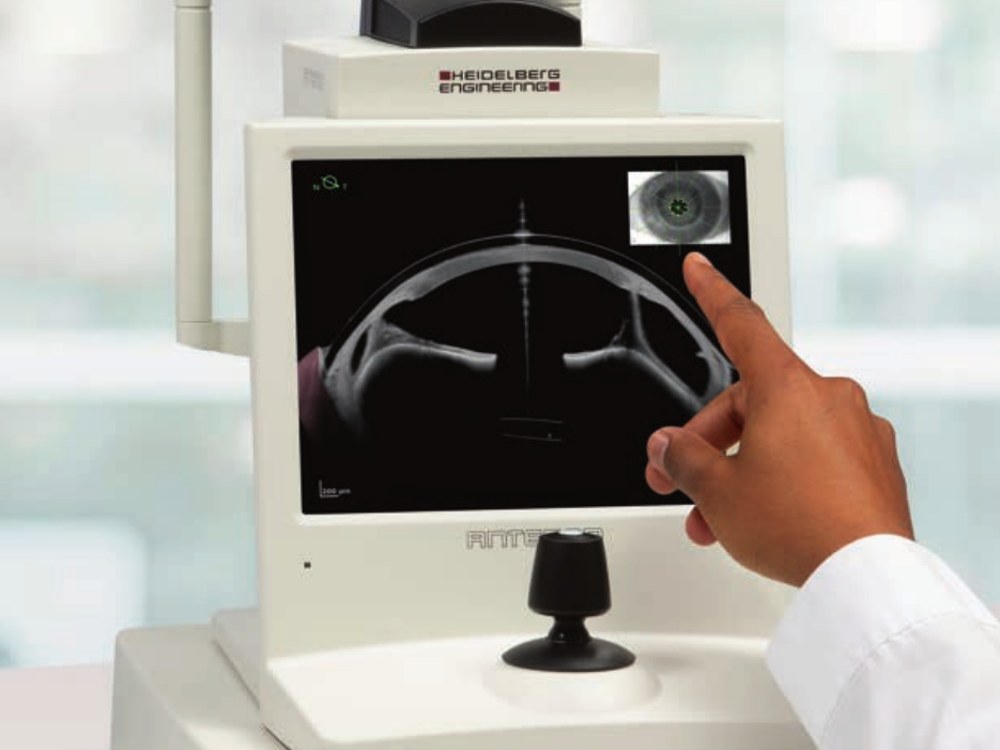
We assess the cornea in detail using corneal topography and advanced anterior-segment imaging, including Heidelberg ANTERION, to map the shape, thickness and health of the cornea precisely. This guides accurate, individualised treatment.
Treatment options
- Medical treatment for infections and surface disease
- Corneal cross-linking (CXL) to stabilise progressing keratoconus
- Specialty and scleral contact lenses for irregular corneas
- Cornea transplant – including modern partial-thickness techniques (DALK, DSEK/DMEK) and full-thickness transplant where appropriate
Benefits of timely care
- Earlier treatment can preserve vision and avoid more complex surgery
- Cross-linking can slow or halt keratoconus progression
- Modern partial-thickness transplants can mean faster recovery than older methods
Risks and honest expectations
Every cornea condition and treatment is different. Transplant and cross-linking carry specific risks that we explain clearly, and not every eye needs surgery. Our approach is to treat conservatively first and operate only when it genuinely helps.
Recovery and follow-up
Recovery depends on the treatment – from a few days for surface conditions to several months of monitoring after a transplant. We guide you through each stage and follow you closely.
Why choose Balaji Horizon Eye Hospital
- Cornea care led by a fellowship-trained cornea surgeon
- Advanced corneal imaging for precise diagnosis
- A conservative, vision-preserving philosophy
- Two locations in Ahmedabad – Science City and Naranpura
Your specialist
Cornea care is led by Dr. Jayadatt D. Patel, whose specialist focus includes cornea, keratoconus and transplant surgery.
Frequently asked questions
Can keratoconus be cured?
Keratoconus cannot be reversed, but in many cases its progression can be slowed or stopped with corneal cross-linking when caught early, and vision can be improved with specialty lenses. Each case is assessed individually.
Is a cornea transplant always needed for keratoconus?
No. Most keratoconus is managed without transplant, using cross-linking and specialty contact lenses. Transplant is reserved for advanced cases where other options no longer help.
How long does a cornea transplant take to heal?
Healing is gradual and can take several months to over a year for vision to fully settle, with close follow-up throughout.
Related services
Keratoconus – Specialty contact lenses – Cataract surgery – Refractive surgery
Book a consultation
Science City & Naranpura, Ahmedabad – Monday to Saturday.
Information on this page is for general awareness and does not replace a consultation with an eye specialist.
Cost & payment options
The cost of Cornea Care & Transplant depends on your eyes, the technology and any lens or implant chosen, and your individual clinical needs. We give you a clear, written estimate after your examination — with no obligation — and explain exactly what is included.
- Clear written estimate after assessment — no hidden charges
- EMI / instalment options on eligible procedures
- Have health insurance or an Ayushman Bharat card? Ask us how it may apply.
Request a cost estimate on WhatsApp Call +91 92748 67875
We don't list fixed prices because the right treatment — and therefore the cost — varies from patient to patient.
Care you can trust
Specialist surgeon
Fellowship-trained cornea, refractive & cataract surgeon.
Advanced technology
First in Gujarat with ANTERION & SPECTRALIS (GMPE).
Ethical, honest care
Evidence-based, individualised advice — no overtreatment.
Two locations
Convenient care at Science City & Naranpura, Ahmedabad.
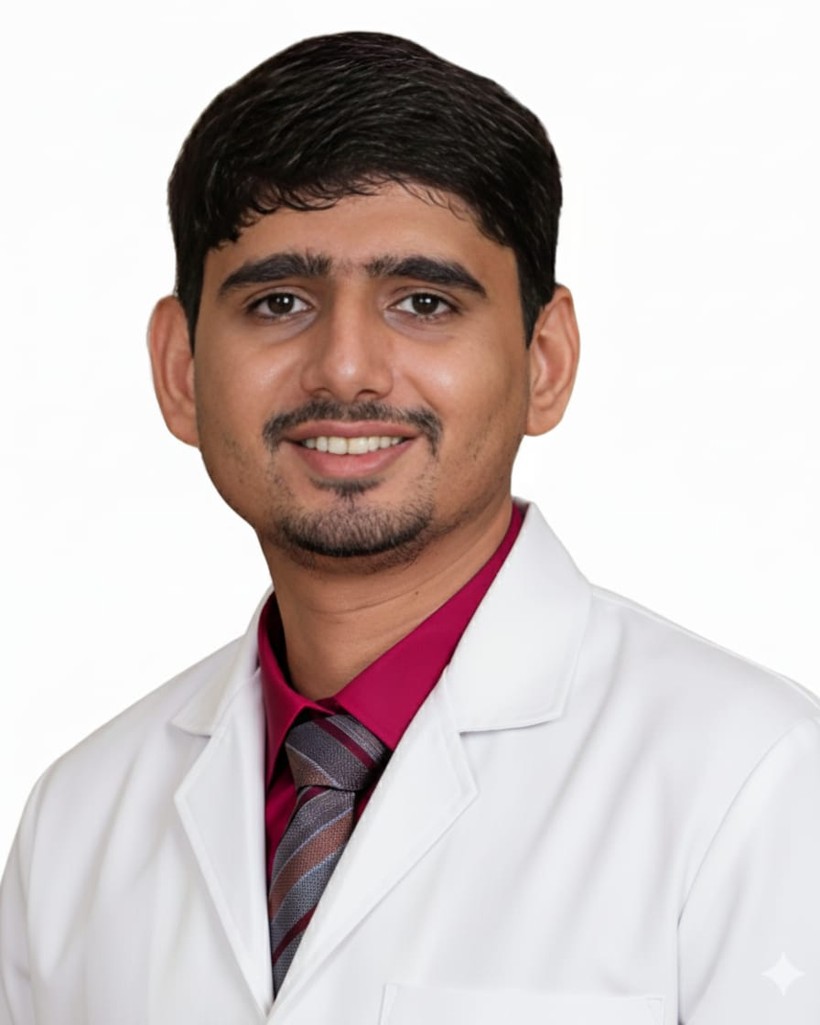
Dr. Jayadatt Patel
MBBS, MS (Ophthalmology), FCRS — Cornea, Refractive & Ocular Surface Surgeon
Founder & Director of Balaji Horizon Eye Hospital and Consultant Cornea & Refractive Surgeon at C.H. Nagri Eye Hospital, Ahmedabad. Dr. Patel focuses on accurate diagnosis, vision preservation and individualised, ethical care.
View full profile →Ready to book your consultation?
Same specialist care at both our Ahmedabad branches.
Conditions we treat
What to expect: your care pathway
- Detailed corneal evaluation — Slit-lamp examination with corneal imaging (topography and tomography) to map the problem precisely.
- Individualised plan — Medical therapy where possible, or the right transplant type (DALK, DMEK, DSEK) only when genuinely needed.
- Tissue-sparing surgery — Techniques that preserve as much of your own healthy cornea as possible.
- Structured follow-up — Close monitoring for healing and any early signs of graft rejection, with a long-term plan.