
Stye and Chalazion: Treating an Eyelid Bump Safely — and When to See a Doctor
A small, tender lump on the eyelid is one of the most common reasons people search for an eye doctor — and one of the most over-treated. Most eyelid bumps are a stye or a chalazion: usually harmless, often settling with simple care at home, and only occasionally needing a procedure. In the humid monsoon months we see more of them, because warmth and moisture make the eyelid’s tiny oil glands more likely to block and become irritated.
This guide explains the difference between a stye and a chalazion, how to treat an eyelid bump safely, what not to do, and the warning signs that mean a lump needs an eye doctor rather than a warm compress.
What is a stye?
A stye (medically, a hordeolum) is an acute, painful, often red lump at the edge of the eyelid. It happens when one of the tiny glands or eyelash follicles at the lid margin becomes infected — usually by ordinary skin bacteria (Staphylococcus). A stye typically comes up quickly over a day or two, feels sore to touch, and may form a small yellow “head,” rather like a pimple on the lid.
What is a chalazion?
A chalazion is a slower, usually painless lump a little further back from the lid margin. It forms when a meibomian gland — one of the oil glands inside the eyelid — becomes blocked, and the trapped oil triggers a firm, rubbery swelling. A chalazion is not primarily an infection; it is a sterile, inflammatory bump. A stye that does not drain can sometimes settle into a chalazion.
You do not need to label it perfectly to begin care — a stye is the painful, quick, lid-edge bump, a chalazion the slower, firmer, usually painless one, and warm compresses help both. What matters more is recognising the few situations that need an examination, which we cover below.
Why eyelid bumps are more common in the monsoon
Humidity, heat and more frequent eye-touching during the rainy season all make the lid’s oil glands more likely to clog and the lid margin more likely to harbour bacteria. People who already have blepharitis (chronic lid-margin inflammation), oily skin or rosacea tend to get styes and chalazia more often, and the monsoon can tip a grumbling lid into a fresh bump.
Safe home care: the warm compress comes first
For most styes and chalazia, a warm compress is the single most effective home treatment — it softens the blocked oil and helps the lump drain on its own:
- Soak a clean cloth in comfortably hot (not scalding) water, wring it out, and hold it gently against the closed eyelid for about 10–15 minutes.
- Repeat 3–5 times a day, re-warming the cloth as it cools.
- After the compress, a gentle massage over the lump (towards the lid margin) and light lid hygiene — wiping the lash line with a clean, damp cloth — can help an oil gland clear.
Be patient: many styes settle within a week, and chalazia can take a few weeks. Steady warm compresses do more than any drop for an ordinary eyelid bump.
What not to do
- Do not squeeze or “pop” it. Forcing a stye or chalazion can spread infection into the lid and make things worse. Let it drain on its own with warmth.
- Do not start antibiotic or steroid eye drops on your own. Most eyelid bumps do not need them, and a leftover steroid drop in particular can be harmful if used without an eye examination.
- Pause eye make-up and contact lenses until the lump has settled, and discard old or contaminated eye cosmetics rather than reusing them.
Do you need antibiotics?
Usually not. A simple stye or chalazion does not require antibiotic tablets or drops, and reaching for them automatically adds cost and side-effects without speeding things up. Antibiotics are reserved for the minority of cases where infection is clearly spreading into the surrounding eyelid skin, or where significant blepharitis needs treating alongside. That decision is best made after an eye doctor has looked at the lid — not as a first reflex at the pharmacy counter.
When a chalazion will not go away
If a chalazion persists despite several weeks of diligent warm compresses, or is large enough to blur vision by pressing on the eye, simple in-clinic options work well. The two common ones are a minor incision and curettage (the gland is opened and cleared under local anaesthetic, through the inner lid so there is no visible scar) and an intralesional steroid injection for selected lumps. Both are quick, day-care procedures. Your ophthalmologist will explain which suits your particular chalazion.
Red flags: when an eyelid bump needs a doctor
Most eyelid bumps are harmless. Please arrange a prompt eye examination — the same day if it is spreading — if you notice any of these:
- Redness and swelling that spread across the eyelid or onto the cheek, the lid becoming hot and very swollen, or fever — this can signal a deeper infection (preseptal or orbital cellulitis) that needs urgent treatment.
- Change in vision, double vision, pain on moving the eye, or the eye looking pushed forward.
- A lump that keeps coming back in exactly the same spot in an adult, or one that looks unusual, bleeds, or distorts the lid — rarely, a persistent or atypical lid lump needs assessment to exclude other conditions.
- A bump that simply is not improving after a few weeks of proper warm compresses.
Preventing repeat styes and chalazia
If you get eyelid bumps again and again, the answer usually lies in the lid margin. Daily lid hygiene, treating any underlying blepharitis or meibomian gland dysfunction, and managing dry eye all reduce recurrences. Our dry eye and ocular-surface clinic looks specifically at these oil glands, because healthy meibomian glands mean fewer blocked ones — and fewer styes. Lens wearers can also review hygiene with our contact lens service.
Care you can trust, at both our Ahmedabad branches
If you are unsure whether your eyelid bump is a simple stye, a chalazion, or something that needs treatment, it is always safer to have it looked at. A quick eye examination can confirm what it is, treat it correctly, and spare you unnecessary medicines.
Have an eyelid lump that is not settling? Book an assessment at Balaji Horizon Eye Hospital, Ahmedabad (Science City & Naranpura). Call +91 92748 67875 or book an appointment online.
Frequently asked questions
What is the fastest way to get rid of a stye?
Warm compresses are the most effective home treatment: hold a clean, comfortably hot cloth against the closed eyelid for 10–15 minutes, 3–5 times a day. This softens the blockage and helps the stye drain naturally. Avoid squeezing it, and be patient — most styes settle within about a week.
What is the difference between a stye and a chalazion?
A stye is a painful, red lump at the very edge of the eyelid caused by a small infection, and it comes up quickly. A chalazion is usually a painless, firmer lump slightly back from the lid edge caused by a blocked oil gland, and it builds up more slowly. Warm compresses help both; a chalazion simply tends to take longer to clear.
Should I pop a stye or chalazion?
No. Squeezing or popping an eyelid bump can push infection deeper into the lid and make it worse. Let it drain on its own with regular warm compresses. If a lump is large, persistent or affecting vision, an eye doctor can drain it safely in the clinic.
Do I need antibiotics for an eyelid bump?
Usually not. Most styes and chalazia clear with warm compresses and do not need antibiotic drops or tablets. Antibiotics are reserved for cases where the infection is clearly spreading across the eyelid, and should be started only after an eye doctor examines the lid – not automatically at home.
When should I see a doctor about a stye or chalazion?
See an eye doctor promptly if the redness and swelling spread across the eyelid or onto the cheek, if you have fever, vision changes, pain on moving the eye, or if the eye looks pushed forward – these need urgent care. Also have it checked if a lump keeps recurring in the same spot, looks unusual, or is not improving after a few weeks of warm compresses.
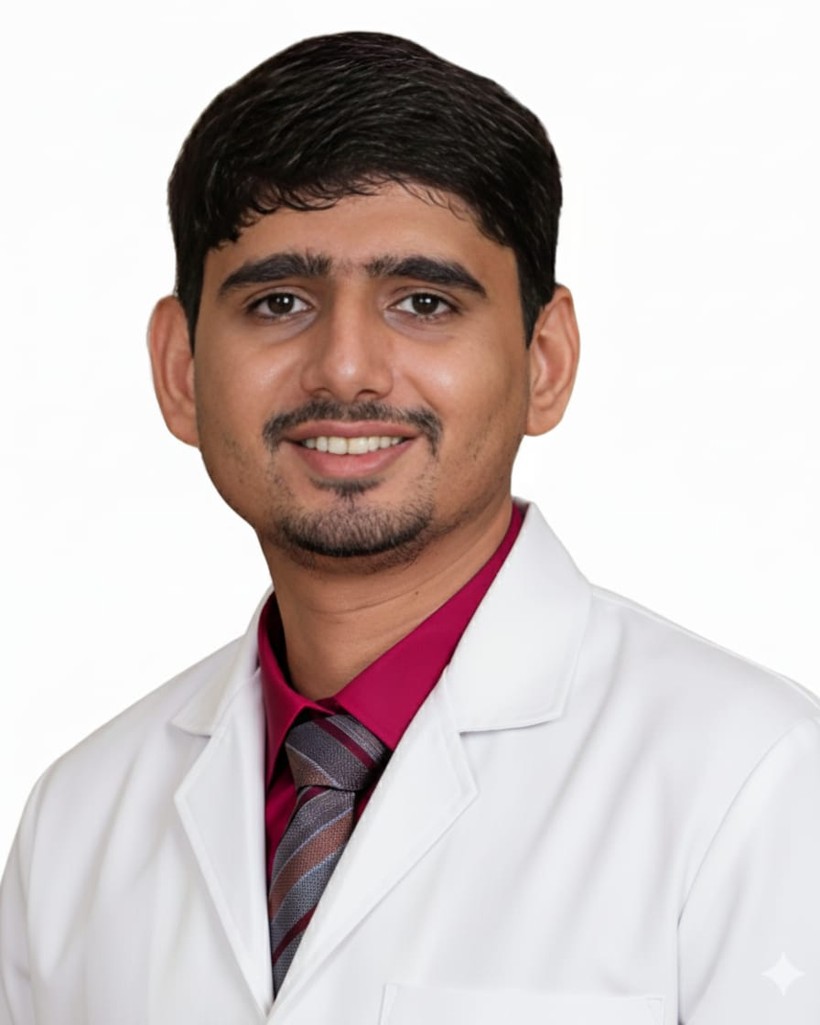
Medically reviewed by Dr. Jayadatt D. Patel, MBBS, MS (Ophthalmology), FCRS — Cornea, Cataract & Refractive Surgeon. Last reviewed: 30 June 2026.
This article is for general education only and is not a substitute for a professional eye examination. If you have spreading eyelid swelling, fever, eye pain, or a change in vision, please consult a qualified ophthalmologist promptly.
This article is for general awareness and does not replace a consultation with an eye specialist.
Have a question about your eyes?
Book a consultation at Balaji Horizon Eye Hospital — Science City & Naranpura, Ahmedabad.
Care you can trust
Specialist surgeon
Fellowship-trained cornea, refractive & cataract surgeon.
Advanced technology
First in Gujarat with ANTERION & SPECTRALIS (GMPE).
Ethical, honest care
Evidence-based, individualised advice — no overtreatment.
Two locations
Convenient care at Science City & Naranpura, Ahmedabad.
Dr. Jayadatt Patel
MBBS, MS (Ophthalmology), FCRS — Cornea, Refractive & Ocular Surface Surgeon
Founder & Director of Balaji Horizon Eye Hospital and Consultant Cornea & Refractive Surgeon at C.H. Nagri Eye Hospital, Ahmedabad. Dr. Patel focuses on accurate diagnosis, vision preservation and individualised, ethical care.
View full profile →Ready to book your consultation?
Same specialist care at both our Ahmedabad branches.