
Corneal Cross-Linking (C3R) for Keratoconus, Explained
Corneal collagen cross-linking — often called C3R or CXL — is the established treatment to halt the progression of keratoconus. It does not usually reverse changes already present, but by strengthening the cornea it can stop the condition worsening and reduce the chance of needing a transplant later. That is why timing matters.
How cross-linking works
The cornea is soaked with riboflavin (vitamin B2) drops and then exposed to a controlled dose of ultraviolet (UVA) light. This triggers new bonds (cross-links) between the collagen fibres, making the weakened cornea stiffer and more stable.
Who needs cross-linking?
- People with progressive keratoconus — especially teenagers and young adults, in whom it often advances faster
- Those whose corneal scans show worsening over time
- Selected cases of other corneal-thinning disorders
The procedure and recovery
Cross-linking is performed under anaesthetic drops as a day procedure. There is usually some discomfort, watering and light sensitivity for a few days, managed with drops and a protective contact lens. Vision may fluctuate early on and stabilises over the following weeks.
What cross-linking can and cannot do
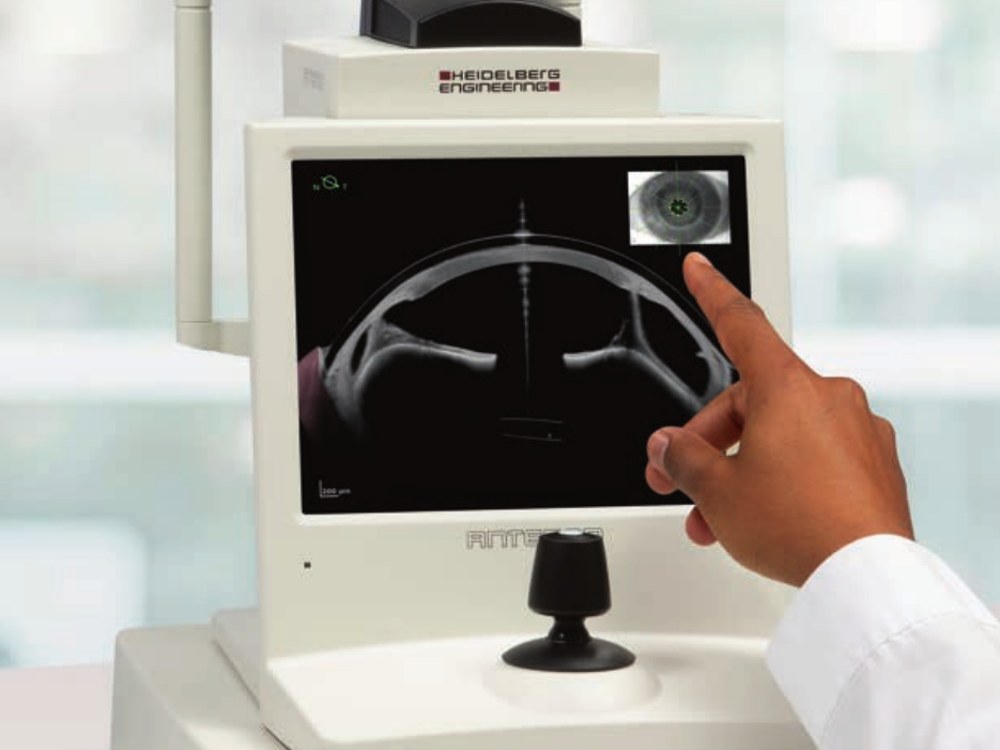
The goal is stability, not a cure. Once the cornea is stabilised, glasses or specialised contact lenses are still used for clear vision, and some patients later benefit from additional procedures. Honest, individualised assessment — including precise corneal mapping — guides the right timing.
Frequently asked questions
Is corneal cross-linking painful?
It is done under anaesthetic drops. Afterwards there is usually mild to moderate discomfort and light sensitivity for a few days, controlled with drops and follow-up.
Will cross-linking improve my eyesight?
Its main purpose is to stop keratoconus progressing. Some eyes show modest improvement over time, but the key benefit is preventing further deterioration.
How soon should cross-linking be done?
Earlier is better once progression is confirmed — stabilising the cornea before significant vision is lost gives the best long-term outcome.
This information is for general awareness and does not replace consultation with an eye specialist. Keratoconus management should be individualised.
Related: Keratoconus Treatment · Cornea Services · Book an appointment
This article is for general awareness and does not replace a consultation with an eye specialist.

Have a question about your eyes?
Book a consultation at Balaji Horizon Eye Hospital — Science City & Naranpura, Ahmedabad.
Care you can trust
Specialist surgeon
Fellowship-trained cornea, refractive & cataract surgeon.
Advanced technology
First in Gujarat with ANTERION & SPECTRALIS (GMPE).
Ethical, honest care
Evidence-based, individualised advice — no overtreatment.
Two locations
Convenient care at Science City & Naranpura, Ahmedabad.
Dr. Jayadatt Patel
MBBS, MS (Ophthalmology), FCRS — Cornea, Refractive & Ocular Surface Surgeon
Founder & Director of Balaji Horizon Eye Hospital and Consultant Cornea & Refractive Surgeon at C.H. Nagri Eye Hospital, Ahmedabad. Dr. Patel focuses on accurate diagnosis, vision preservation and individualised, ethical care.
View full profile →Ready to book your consultation?
Same specialist care at both our Ahmedabad branches.